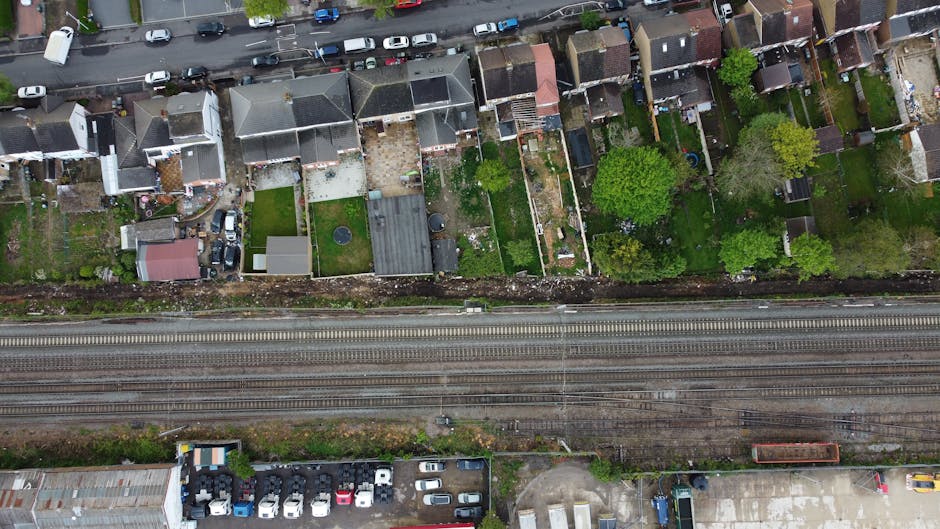
Penge East station garden maintenance for small yards
If you live near Penge East station and your yard is small, you already know the challenge: every plant choice, every cut, every pot matters. There is nowhere to hide a messy corner. A narrow strip by the fence, a compact patio, a side return that barely catches the light - it all needs to work hard and still look calm. That is where Penge East station garden maintenance for small yards makes a real difference. Done well, it keeps a small space tidy, usable, and surprisingly generous in feel.
This guide walks through what small-yard maintenance involves, why it matters in this part of London, and how to make sensible choices without creating more work for yourself. We will cover the practical steps, common mistakes, useful tools, and the sort of seasonal habits that keep a compact garden looking cared for rather than cramped. And yes, even the tiny yards can feel lovely. Sometimes especially the tiny yards.
Table of Contents
- Why Penge East station garden maintenance for small yards Matters
- How Penge East station garden maintenance for small yards Works
- Key Benefits and Practical Advantages
- Who This Is For and When It Makes Sense
- Step-by-Step Guidance
- Expert Tips for Better Results
- Common Mistakes to Avoid
- Tools, Resources and Recommendations
- Law, Compliance, Standards, or Best Practice
- Options, Methods, or Comparison Table
- Case Study or Real-World Example
- Practical Checklist
- Conclusion
- Frequently Asked Questions
Why Penge East station garden maintenance for small yards Matters
Small yards are unforgiving in the best possible way. If you keep them maintained, they look intentional and welcoming. If you let them drift, they can feel cluttered very quickly. Near Penge East station, where many homes and rentals have compact outdoor areas, good maintenance is not about perfection. It is about making a limited footprint feel bigger, calmer, and easier to use.
There are a few reasons this matters more in a small yard than in a bigger garden:
- Space is visual as well as physical. A single overgrown shrub can make the whole area feel smaller.
- Access is tighter. Narrow paths, steps, and gates need regular clearing to stay safe and convenient.
- Plants compete harder. In containers and raised beds, moisture and nutrients run out faster.
- Every surface shows wear. Moss on paving, weeds in joints, and leaf litter stand out more in a small space.
There is also the local reality: London weather gives you a bit of everything. One week damp shade, the next a warm dry spell, then another gusty day that scatters debris across the patio. A small-yard routine has to be flexible. Truth be told, that is what makes it manageable too. You are not trying to tame acres; you are keeping an eye on a few important details before they spiral.
If you are comparing professional support options, it can help to look at a broader services overview first. That gives context on what garden care can include, from pruning and tidying through to planting and ongoing upkeep.
How Penge East station garden maintenance for small yards Works
Small-yard maintenance works best when it is simple, repeated, and seasonally aware. The aim is not to do everything at once. It is to set a rhythm. A tidy yard usually comes from a few regular actions done properly rather than a dramatic overhaul every six months.
At a practical level, the process often looks like this:
- Assess the space. Check the layout, sun, shade, drainage, and how much time you realistically have.
- Clear the obvious clutter. Remove dead leaves, broken pots, spent annuals, and anything blocking movement.
- Cut back and shape. Trim hedge edges, soften overlong growth, and remove stems that are crowding the space.
- Weed and refresh surfaces. Pay attention to paving cracks, gravel edges, and planting gaps.
- Feed and water properly. Small yards often rely on pots and planters, which dry out faster than ground planting.
- Review the design. In a compact yard, one awkward item can throw off the whole balance.
The important thing is that maintenance and design are linked. For example, a container arrangement that looks great in April can turn awkward by July if a fast-growing plant starts leaning across a path. So maintenance is really ongoing design care. A little more hands-on, yes, but also more rewarding.
For readers who want a trusted company background before booking anything, it can be useful to read the about us page. It helps explain the values and service approach behind the work.
Key Benefits and Practical Advantages
When maintenance is handled well, small yards deliver much more than a neat appearance. They start acting like proper outdoor rooms. That matters in a place where people value every usable metre.
1. The yard feels bigger
Cutting back overgrowth, keeping edges crisp, and avoiding visual clutter creates breathing room. You notice the fence line again. You notice the paving. The whole space settles down.
2. Day-to-day use becomes easier
A small yard should be simple to step into with a cup of tea, a pram, a bike, or a bag of compost. If maintenance is working, there is less awkward stepping around pots and fewer snagging points. Little things, but they add up.
3. Plant health improves
Regular pruning, watering checks, and deadheading reduce stress on plants. In tight spaces, airflow can be limited, so keeping things open helps with general plant health and can reduce the damp, heavy look that some yards get after rain.
4. You avoid bigger repair jobs
Small problems are easier to fix early. A creeping weed in a paving joint is a quick pull now and a tedious session later. A pot with poor drainage is simple to repot before roots become a tangled mess. This is one of those areas where a small effort saves a lot of future hassle.
5. The garden feels like part of the home
In a compact property, the yard often acts like an extra room. It might be where you dry washing, grow herbs, host one or two friends, or just stand outside for a quiet minute. Maintenance gives that space dignity. That sounds grand, but it is true.
Expert summary: In small yards, maintenance is less about volume and more about control. Keep the edges clean, the planting balanced, and the surfaces clear, and the whole space will feel twice as useful.
Who This Is For and When It Makes Sense
This type of garden maintenance suits a few different people, and not just homeowners with a clear idea of what they want. In practice, it is often for anyone who needs a compact outdoor area to look presentable without becoming a weekend project every weekend.
- Busy commuters who want a low-fuss garden near Penge East station.
- Landlords and letting agents looking to keep a yard tidy for viewings and tenancies.
- Small families who need the space to be safe and usable, not just decorative.
- Older residents who would rather have regular upkeep than a physically demanding garden overhaul.
- New homeowners who have inherited an awkward or overgrown yard and do not know where to start.
It also makes sense if your yard has a few persistent pain points: poor drainage, a patchy lawn that is never really happy, containers that dry out too quickly, or a fence line that always seems to collect leaf litter. Sometimes the yard is not "bad"; it just needs a sensible routine. No drama.
If budgeting is part of the decision, take a look at pricing and quotes so you can understand how the service may be structured before making a call.
Step-by-Step Guidance
Here is a practical way to approach Penge East station garden maintenance for small yards without overcomplicating it. You can use this whether you are doing the work yourself or briefing a gardener.
Step 1: Start with a proper reset
Begin by removing anything that does not belong. Dead plants, old labels, cracked saucers, broken canes, accumulated leaves. In a small yard, that first clear-out changes the mood immediately. You may even notice the paving colour again. Funny how that happens.
Step 2: Define the movement zones
Identify the paths people actually use. Where do you step out? Where does the bin sit? Where do pets run? Keep those spaces clear. A small yard should not feel like an obstacle course.
Step 3: Prune with restraint
Small spaces punish overgrown shrubs and sloppy pruning. Aim for a balanced shape rather than a hard cut. Remove crossing stems, shorten long whips, and keep the plant's natural outline where possible. If something has outgrown the space completely, it may need replacing. Sometimes the honest answer is a smaller plant.
Step 4: Refresh the growing medium
Containers need attention more often than in-ground beds. Top up compost, check drainage holes, and replace tired soil where necessary. If a planter is waterlogged, it will usually show itself through sour smell, weak growth, or mossy surfaces. Not glamorous, but easy enough to fix when caught early.
Step 5: Weed the hard surfaces and edges
Weeds love gaps. They find paving joints, the line between gravel and wall, and the tiny strip beside a shed base. Pull them before roots deepen. A few minutes now saves frustration later. Honestly, weeds are very efficient little things.
Step 6: Rebalance the planting
In compact gardens, a few well-chosen plants often work better than lots of small competing ones. Use repetition for calm and one or two stronger focal points for interest. If every pot is shouting, the space feels busier than it needs to.
Step 7: Finish with a maintenance rhythm
Decide what gets checked weekly, monthly, and seasonally. That way, the yard does not build up a backlog of minor issues. You are not chasing the garden; you are staying one step ahead of it.
Expert Tips for Better Results
A few small decisions make a big difference in compact spaces. These are the sort of things experienced gardeners tend to look at quickly because they know the yard will tell on you if you ignore them.
- Use height carefully. Vertical planting can save space, but too much of it can visually crowd the yard.
- Choose a limited colour palette. Repeating greens, whites, and one accent colour often feels calmer than a mix of everything.
- Prefer easy-access containers. Heavy pots tucked into awkward corners become maintenance traps.
- Keep one edge especially clean. A crisp boundary line can make the whole yard look freshly maintained.
- Mulch where suitable. In beds and larger containers, mulch helps retain moisture and suppress weeds. Just do not overdo it around stems.
One useful habit is to stand at the doorway and look at the yard from that angle before and after work. That is how most people actually experience the space. If it looks balanced from there, you are probably on the right track. If not, no problem - adjust one thing, not ten.
Another tip: keep a small hand fork and a pair of secateurs close by, not buried in a shed under three old watering cans and a mysterious bit of hose. You will use them more often if they are easy to reach.
For people who prefer a service provider with clear operational standards, the site's health and safety policy and insurance and safety information can offer useful reassurance before any work begins.
Common Mistakes to Avoid
Small yards invite a few classic errors. The good news is that most of them are easy to avoid once you know what to look for.
- Overplanting. Too many pots or shrubs can make a compact yard feel boxed in.
- Choosing plants for looks only. If the plant hates shade, wind, or dry containers, it will let you know.
- Ignoring drainage. Small spaces can flood at the wrong point, especially with compacted surfaces or blocked outlets.
- Letting edges go. A yard can look half-maintained if the edges are untidy, even when the rest is fine.
- Using large, awkward furniture. One oversized bench can dominate the whole layout. It looked fine in the showroom, of course.
- Skipping seasonal checks. Spring and autumn are the times when compact gardens tend to shift fastest.
There is also a subtle mistake that shows up a lot: trying to make a small yard do too many jobs at once. Seating area, storage area, potting area, drying area, wildlife area, play area - yes, it can be done, but not all in equal measure. Decide what the space is really for. That choice makes everything else easier.
Tools, Resources and Recommendations
You do not need a mountain of equipment for small-yard garden maintenance. In fact, too much gear gets in the way. A thoughtful kit is better than a full shed of things you only half-use.
| Tool or item | Best use in a small yard | Why it helps |
|---|---|---|
| Hand secateurs | Light pruning and deadheading | Gives clean cuts without damaging nearby growth |
| Hand fork | Weeding and loosening compacted compost | Useful in borders, pots, and narrow corners |
| Small hoe or weeding tool | Surface weeds in paving or gravel | Quick, controlled, and easy to manoeuvre |
| Lightweight watering can | Container watering | Better control in tight spaces than a heavy hose setup |
| Leaf grabber or stiff broom | Seasonal debris clearing | Keeps hard surfaces tidy without disturbing planting |
| Compost and slow-release feed | Container refresh and general plant support | Helps plants stay healthy in restricted root zones |
As for resources, keep things practical. A good maintenance schedule on paper, a notebook for plant changes, and a rough seasonal reminder are often more helpful than clever gadgets. If you are arranging work for a property that must be kept presentable for tenants or sales viewings, consider whether regular support makes more sense than one-off visits.
For sustainability-minded readers, the recycling and sustainability page is worth reviewing. It can help you understand how garden waste and reusable materials are approached.
If you want to speak directly with the team about a compact yard or tricky layout, use the contact us page when you are ready to ask questions or book an assessment.
Law, Compliance, Standards, or Best Practice
For most small-yard maintenance, the key concern is not complicated regulation. It is sensible, lawful, and respectful practice. That said, a few points are worth keeping in mind, especially in a residential London setting.
- Property boundaries matter. Do not prune or remove anything you do not own or have permission to manage.
- Shared access should stay clear. If a yard or passage serves neighbours, keep routes open and avoid leaving tools or waste in the way.
- Noise and timing should be considerate. Garden work can carry sound, especially on hard surfaces, so sensible working hours are part of good neighbour relations.
- Waste handling should be tidy and responsible. Green waste, pots, and broken materials should be sorted and removed properly.
- Health and safety should not be improvised. Wet paving, sharp tools, and uneven steps are all normal risks. They need normal care.
Industry best practice for small gardens is straightforward: work safely, leave the site cleaner than you found it, and make decisions that suit the space rather than forcing a style onto it. That last point matters more than people think. A yard does not need to be dramatic. It needs to function, and then look good on top of that.
For general terms, protections, and service expectations, the pages on terms and conditions and privacy policy may also be useful if you are reviewing how a provider handles customer information and service arrangements.
Options, Methods, or Comparison Table
When a small yard needs attention, there are usually three broad approaches. Each has its place, and none is automatically best for everyone. It depends on time, confidence, and how tidy the space needs to stay.
| Approach | Best for | Strengths | Limitations |
|---|---|---|---|
| DIY upkeep | Confident homeowners or tenants with time | Lower cost, full control, immediate response | Easy to fall behind, especially in busy months |
| Occasional professional tidy | Yards that need reset work or seasonal refreshes | Fast improvements, expert pruning, good for problem areas | Less effective if the garden deteriorates between visits |
| Regular maintenance plan | Homes, rentals, and busy households wanting consistency | Best continuity, fewer surprises, easier long-term care | Requires ongoing commitment and planning |
For many small yards near Penge East, a regular maintenance plan gives the best outcome because it prevents the space from swinging between tidy and neglected. That said, if you are preparing a property for sale or simply reclaiming a neglected yard, a one-off reset can be the smarter first move. Then you decide how much upkeep you want afterwards.
Case Study or Real-World Example
Here is a realistic example. A compact rear yard just off the station area had a few problems all at once: a narrow paving strip with weeds in the joints, three overgrown pots, a small fence line losing light, and a border that had become mostly tired soil and random self-seeded growth. Nothing dramatic. Just one of those spaces that makes you sigh when you open the back door.
The work started with a full clear-out. Spent annuals came out, broken pots were removed, and the paving was brushed and weeded. Two shrubs were lightly reshaped rather than hacked back. A couple of awkward containers were replaced with fewer, larger ones, which reduced visual clutter. The planting scheme was simplified using repeat greens and one stronger flowering accent. By the time the work was finished, the yard did not look "big", because of course it did not get bigger. But it looked calm, and the path was easy to use again.
The owner's main reaction was simple: "It feels like a space now." That is really the point. A good small-yard maintenance routine changes how you move through the space and how often you actually use it. Small win, big difference.
If you are weighing up whether a professional tidy-up makes sense for your own yard, the simplest next step is usually a quick conversation. You can review the provider's approach, then decide whether you want a one-off refresh or regular care.
Practical Checklist
Use this checklist to keep your small yard on track through the year. It is intentionally practical rather than fancy.
- Remove dead leaves, litter, and broken items from all visible areas.
- Check paving, steps, and access routes for weeds or slippery build-up.
- Trim back growth that blocks light or movement.
- Deadhead spent flowers where appropriate.
- Inspect containers for drainage and moisture balance.
- Refresh tired compost or mulch if the planting looks exhausted.
- Make sure tools, bins, and furniture are stored neatly.
- Look for signs of overcrowding in beds and pots.
- Review whether any plant has simply outgrown its place.
- Set a repeat maintenance date before the garden drifts again.
Quick takeaway: if you do only three things in a small yard, keep it clear, keep it edged, and keep the planting balanced. That alone changes everything.
Get a free quote today and see how much you can save.
Conclusion
Penge East station garden maintenance for small yards is really about making compact spaces work harder without making them feel busy or fussy. The best results usually come from restraint, consistency, and a proper understanding of how a tiny outdoor area behaves across the seasons. A few well-chosen plants, clear edges, tidy surfaces, and regular upkeep can turn an awkward yard into one of the best parts of the home.
If you are sitting on a small space that never quite feels finished, do not be discouraged. Most compact gardens improve quickly once someone gives them a sensible structure and a bit of ongoing care. Start with the basics, keep it realistic, and build from there. Little by little, it becomes easier. And nicer. Much nicer.
For a better understanding of the team behind the service, you may also find the about us page helpful before taking the next step.
Frequently Asked Questions
What does Penge East station garden maintenance for small yards usually include?
It usually includes weeding, pruning, deadheading, clearing leaves and debris, checking containers, refreshing soil or mulch, and keeping paths and access areas tidy. In some cases, it also includes planting adjustments and seasonal tidy-ups.
How often should a small yard be maintained?
Weekly light checks and monthly tidy sessions work well for many small yards. During spring and early summer, you may need a little more attention because growth can move quickly. The exact rhythm depends on the planting and how exposed the space is.
Is professional help worth it for a very small garden?
Often, yes. Small spaces can look tired fast, and a professional tidy-up can reset the whole feel of the yard in a single visit. It is especially helpful if you do not have the time, tools, or confidence to handle pruning and layout decisions yourself.
What are the hardest parts of maintaining a compact yard?
Overcrowding, drainage, and repeated weed growth are common problems. Small yards also show every missed edge and every neglected pot, so the maintenance standard needs to be a bit sharper than in a larger garden.
Can a small yard still have enough planting without feeling cramped?
Yes, absolutely. The trick is to use a limited number of plants with a clear structure. Repetition, layered heights, and sensible spacing usually work better than filling every gap. A small yard can still feel lush, just not jammed full.
What plants work best in a small London yard near Penge East?
That depends on light levels, but compact shrubs, shade-tolerant perennials, herbs, and carefully chosen containers often perform well. The best choice is one that suits the actual conditions rather than a plant you only liked in a photo. Happens to everyone.
Do I need regular maintenance if I only use the yard occasionally?
Yes, because even unused yards collect leaves, weeds, and weather damage. If a space is not visited often, it can deteriorate quietly. Regular upkeep keeps it ready whenever you do want to use it.
What should I look for in a garden maintenance provider?
Look for clear communication, sensible advice, safe working practices, and a realistic approach to small-space gardening. It is also wise to check service details, safety information, and how the provider handles quotes and customer care.
How do I avoid making a small yard look cluttered?
Keep the number of containers manageable, use a consistent style, and leave open space around paths and seating areas. One or two strong features usually work better than lots of small objects fighting for attention.
What is the difference between a tidy-up and ongoing maintenance?
A tidy-up is usually a one-off reset: clearing, pruning, and restoring order. Ongoing maintenance is the regular follow-up work that stops the space slipping back into disorder. For many small yards, both are useful at different times.
How can I tell if my yard needs a professional refresh?
If the space feels smaller than it should, has persistent weeds, overgrown edges, or plants that no longer suit the layout, it may be time. Another clue is when maintenance starts feeling like a chore you keep postponing. That is usually the moment to get help.
Where can I find service details or make an enquiry?
You can review the provider's services overview and then use the contact us page to ask about your yard, timing, and the type of support you need.