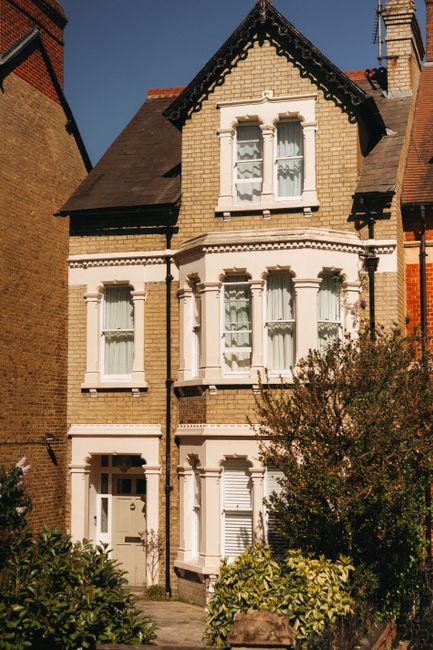
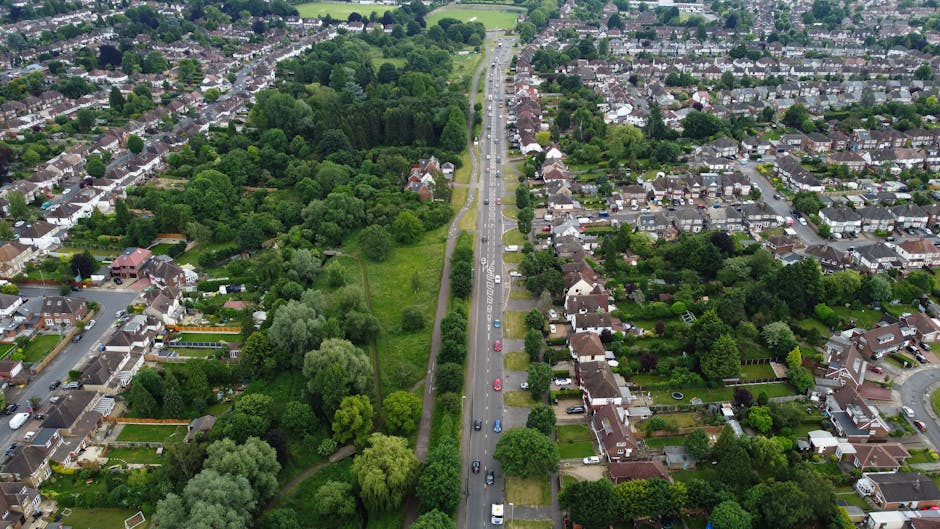
Penge High Street gardeners for homes and terraces
If you live near Penge High Street, you already know how quickly a small outdoor space can turn from promising to a bit of a jumble. One week the terrace looks tidy; the next, leaves have gathered in the corners, the lawn is patchy, and the hedge seems to have doubled overnight. That is exactly where Penge High Street gardeners for homes and terraces can make life easier. Not just by mowing or trimming, but by helping you keep a compact space attractive, usable, and manageable all year round.
Terraces and home gardens in this part of London need a slightly different approach from bigger suburban plots. They often get less direct light, more wind exposure, tighter access, and a stronger need for smart design. In this guide, you will find a clear, practical breakdown of what local gardening support should include, how the process usually works, what to watch out for, and how to get better results without wasting time or money. Truth be told, the small details matter most here.
Quick expert summary: the best garden care for homes and terraces near Penge High Street is a mix of regular maintenance, thoughtful planting, neat hard landscaping, and realistic planning for the space you actually have. You do not need a giant garden to have a lovely one. You do need consistency.
- Keep maintenance simple and regular rather than waiting for problems to stack up.
- Choose planting and features that suit shade, wind, and limited space.
- Use professional help for time-saving tasks, awkward access, and larger seasonal jobs.
- Plan for both appearance and function, especially on terraces where every square metre counts.
Table of Contents
- Why this kind of garden care matters
- How the service works in practice
- Key benefits and practical advantages
- Who it is for and when it makes sense
- Step-by-step guidance
- Expert tips for better results
- Common mistakes to avoid
- Tools, resources and recommendations
- Law, compliance, standards, or best practice
- Options, methods, and comparison table
- Case study or real-world example
- Practical checklist
- Conclusion
- Frequently asked questions
Why Penge High Street gardeners for homes and terraces Matters
Gardening in a terrace or compact home setting is not just about keeping things neat. It is about making outdoor space actually work for daily life. A tiny patio can feel unusable if it is slippery, overgrown, or cluttered with pots that are half-full of dead stems. A front garden can quietly improve the whole look of a property, but only if it is managed with some rhythm.
Near Penge High Street, properties often sit in that familiar London mix of older boundaries, narrow side access, paved yards, front plots, and smaller rear gardens. That means the job is rarely just "cut the grass and leave". It can involve hedge trimming, weed control, clearance, basic planting, border shaping, and a bit of hard landscaping awareness too. You want someone who understands how these spaces behave through wet winters, sudden hot spells, and the general wear of city life.
It also matters because small spaces show neglect fast. One windy weekend and suddenly there is debris in every corner. A few weeks without care and the whole place starts to feel tired. That does not mean the space is difficult. It means the space rewards regular attention. And regular attention is where a professional gardener is worth their weight in compost.
If you are comparing providers, it can help to look at their services overview first, then match that to what your home or terrace actually needs. If the aim is ongoing upkeep rather than a one-off tidy-up, garden maintenance is usually the most relevant starting point.
How Penge High Street gardeners for homes and terraces Works
In practical terms, the work starts with the space itself. A good gardener will look at access, light levels, surface types, plant health, drainage, and how you use the garden. Is it a sitting space? A family area? Mostly decorative? Somewhere for pots, herbs, and the occasional barbecue when the weather behaves? The answer changes the approach.
For terraces, the workflow is often more structured than people expect. First, the clutter is cleared away. Then the space is assessed for safety and usability. After that come the hands-on tasks: pruning, mowing if relevant, hedge shaping, border clean-up, or removal of dead growth. In some cases, there may be a need for wider improvement work, such as landscaping or a more design-led landscape gardening approach.
Here is the thing: terraces often need sequencing. If you jet wash before clearing pots, you make a mess of the tidy-up. If you prune before checking what is diseased or damaged, you may miss the real issue. The order matters, even in a small garden. Not glamorous, but true.
A typical visit may include:
- checking the condition of beds, borders, pots, and hard surfaces
- removing waste and loose debris
- mowing or edging where lawn areas exist
- trimming hedges and shrubs to manageable size
- cutting back tired growth and dead stems
- spot-weeding and tidying borders
- advising on longer-term improvements
For some properties, the right first move is not design at all. It is a proper reset. If the garden has been left too long, garden clearance can create a clean starting point before maintenance begins. That is often the difference between a space you keep on top of and one that keeps getting away from you.
Key Benefits and Practical Advantages
The best benefit is obvious: your outdoor space looks better. But that is only part of it. A well-managed terrace or home garden is easier to use, safer to walk through, and much less stressful to maintain. If you have ever looked out at a cluttered patio on a damp Tuesday morning and felt your shoulders drop a little, you will know what I mean.
Practical advantages include:
- Better first impressions: Neat borders, trimmed hedges, and clean surfaces make a property feel cared for.
- More usable space: A tidy terrace can suddenly become somewhere you want to sit, not just look at.
- Healthier plants: Regular pruning and maintenance reduce overcrowding and help light and air reach where they need to.
- Lower long-term effort: Small, regular jobs are easier than dealing with a seasonal backlog.
- Reduced trip and slip issues: Moss, loose branches, and clutter are less likely to build up.
There is also a quieter benefit that people often miss. Good maintenance removes decision fatigue. If every Saturday starts with "where do I even begin?", the garden becomes a chore. If it is already under control, it becomes a pleasure again. Simple, but it changes the feel of the home.
For homes with lawns or mixed planting, lawn mowing keeps things crisp, while hedge trimming helps stop hedges from swallowing paths, windows, or light. On terraces, those two jobs alone can make a dramatic difference. Almost suspiciously dramatic, actually.
Who This Is For and When It Makes Sense
This kind of gardening support is a good fit for quite a wide range of people. You do not need to have a grand garden to need a gardener. In fact, smaller spaces often benefit even more because there is less room to hide problems.
It makes sense if you are:
- a homeowner who wants a clean, pleasant outdoor space without spending every weekend on it
- a landlord preparing a terrace or front garden for new tenants
- a busy family trying to keep a practical outdoor area safe and tidy
- someone with a compact courtyard, patio, or roof terrace that needs ongoing care
- an older resident who wants professional help with physically demanding tasks
- a buyer or seller wanting the exterior to present well before viewings
It also makes sense seasonally. Spring is a natural time for growth checks and tidy-ups. Summer often needs more mowing, edging, watering, and deadheading. Autumn is about leaf fall, cutbacks, and preparation. Winter is not quiet, despite what people think; it is when wind damage, soggy borders, and slippery surfaces need attention.
If your space has become more of a storage zone than a garden, you may need a stronger reset. In those cases, a combination of clearance and ongoing maintenance is often the smartest path. A one-off tidy is fine. But if the space is meant to be lived in, it needs a plan.
Step-by-Step Guidance
If you are approaching garden care for the first time, keep it simple. You do not need to solve everything in one go. The best results usually come from a calm sequence, not a heroic weekend sprint that leaves you with aching knees and a half-finished bin bag pile.
- Walk the space slowly. Look at what is overgrown, broken, dirty, shaded, or awkward to access.
- Separate urgent work from improvement work. Safety and access come first. Pretty details come after.
- Decide whether you need tidy-up, maintenance, or redesign. A terrace that only needs pruning is very different from one that needs rethinking.
- Clear debris and clutter. This usually makes the biggest immediate difference.
- Cut back and shape plants carefully. Avoid stripping too much at once unless the plant type allows it.
- Check surfaces and edges. Cracked paving, loose gravel, or slippery patches should not be ignored.
- Set a repeat schedule. Small regular visits are usually more efficient than sporadic big clean-ups.
If your garden includes structural features, it may be worth considering whether any decking or hard landscaping needs attention too. A terrace with tired timber or awkward levels can benefit from decking services where a practical, durable outdoor surface is needed.
One useful rule of thumb: if you feel overwhelmed before you even start, break the job into zones. Front, side, rear. Pots, beds, lawn, hard surfaces. That simple split can make the work feel manageable again. Funny how that works.
Expert Tips for Better Results
Small gardens reward restraint. People often assume more planting, more features, and more colour will automatically improve the space. Sometimes yes. Often no. On a terrace, too many competing elements can make everything feel cramped.
Here are a few practical tips that tend to help:
- Match plants to the light. A shady terrace and a sun-baked one need very different choices.
- Use repetition. Repeating a few plants or pot styles often looks calmer than using lots of different ones.
- Keep edges sharp. Clean edges around paving, borders, and lawn make the whole garden look more finished.
- Think vertically. Trellises, climbers, and wall planting can add interest without eating up floor space.
- Leave room to move. If you cannot easily carry a chair or watering can through the space, it is probably too crowded.
- Plan maintenance before adding features. A beautiful terrace that is impossible to look after is not really a win.
It also helps to think in terms of habits, not just jobs. For example, a five-minute weekly check for dead leaves, spilled compost, or blocked drains saves a lot of trouble later. A short tidy after a windy day can be more useful than a major effort three weeks later. Not glamorous. Very effective.
For properties with taller planting or boundary growth, regular pruning and shaping through hedge trimming keeps the whole setting under control. And if trees are shading too heavily or dropping hazardous branches, specialist tree lopping and removal may need to be discussed carefully and professionally.
Common Mistakes to Avoid
One of the biggest mistakes is waiting until the garden is visibly "bad" before acting. Small spaces go from neat to messy quickly, and by then the work feels heavier than it should. Another common issue is trying to do too much at once. A terrace can be improved in stages. It does not need a full transformation on day one.
Watch out for these:
- over-pruning shrubs and hedges, which can leave them sparse or stressed
- ignoring drainage issues, especially on paved terraces after heavy rain
- buying too many plants for the available room
- mixing decorative goals with storage needs and ending up with neither
- choosing high-maintenance plants for a low-effort lifestyle
- forgetting that access matters when moving waste, tools, or materials
There is also a financial mistake people make: treating all gardening work as interchangeable. It is not. A simple maintenance visit is different from clearance, landscaping, or design-led improvements. If you ask for the wrong type of help, you may pay for a result that only half-fits the real problem.
That is where a clear conversation upfront helps. If you are unsure what you need, ask for a practical assessment first. It sounds obvious, but it saves a lot of back-and-forth later.
Tools, Resources and Recommendations
You do not need a shed full of specialist kit to look after a home or terrace garden, but a few well-chosen tools make the work easier. For light ongoing care, a decent pair of secateurs, a hand fork, a sturdy broom, a watering can, and gloves may be enough. For larger or more demanding spaces, powered equipment and safe waste handling become more important.
Useful recommendations:
- Keep a basic tool box for quick fixes, plant ties, and small repairs.
- Use pots with proper drainage holes. Decorative is nice, soggy roots are not.
- Choose compost and soil improvers carefully for container planting.
- Store tools where they stay dry and easy to reach.
- Plan for waste removal before the job begins, not after the bags start piling up.
If you are dealing with heavy clearance, mixed waste, or a garden that has been left for a while, a professional garden clearance service is often more sensible than trying to manage it all yourself. Likewise, for recurring upkeep, a structured maintenance plan can save time and prevent the same issues returning every month.
For some clients, sustainability matters too. If that is important to you, ask how green waste is handled and whether materials are reused or recycled where possible. You may want to review the company's approach to recycling and sustainability if you prefer a more responsible routine. Small choices, but they add up.
Law, Compliance, Standards, or Best Practice
Garden work sounds informal, but there are still sensible standards to follow. Safety matters, especially where cutting tools, ladders, uneven surfaces, and heavier materials are involved. A professional gardening service should be clear about safe working methods, public liability arrangements where relevant, and how it handles waste responsibly.
For homeowners and terrace owners, the main thing is not to assume that every job is low-risk just because it is outside. Overgrown hedges can hide trip hazards. Wet paving can be slippery. Tree work can involve serious safety concerns. If in doubt, it is better to use a service that takes health and safety seriously and explains its approach in plain English.
You may also want to check basic service terms before agreeing to work. That includes payment expectations, cancellations, and what is included in the quoted scope. A transparent provider should make this clear through pages such as insurance and safety, health and safety policy, payment and security, and terms and conditions.
One small but important best-practice point: if tree work is involved, do not assume it is just another garden task. Tree size, stability, nearby structures, and access all change the risk profile. Some jobs are simple; some are not. Better to treat them carefully than regret a rushed decision later.
Options, Methods, or Comparison Table
Different gardens need different approaches. A terrace with pots and paving is not managed the same way as a front garden with turf and shrubs. Here is a simple comparison that may help you decide what sort of help is most appropriate.
| Approach | Best for | Typical focus | What it solves |
|---|---|---|---|
| One-off tidy-up | Recently neglected or seasonal clean-up jobs | Debris removal, cutting back, surface tidying | Fast visual improvement |
| Regular garden maintenance | Homes and terraces that need ongoing care | Mowing, trimming, weeding, light pruning | Prevents problems from building up |
| Garden clearance | Overgrown or cluttered spaces | Heavy clearing, waste removal, reset work | Creates a blanker starting point |
| Landscaping or redesign | Spaces that are awkward, outdated, or underused | Layout changes, surfaces, planting structure | Improves function and long-term usability |
The right option is usually the one that matches your actual condition, not your ideal one. A terrace that just needs consistent care should not be treated like a full redesign project. And a tired, overrun garden should not be expected to bounce back from a quick sweep and a few cuttings. It would be lovely if it did. It won't.
Case Study or Real-World Example
Imagine a small terrace near Penge High Street that has been used mainly for storage and a few pots. Over time, the ivy has spread, one shrub has become leggy, the paving has collected dirt and moss, and the planters are full of tired soil. Nothing dramatic, just enough to make the space feel neglected.
The sensible route is usually to clear first, then simplify. The old pots and debris come out. The overgrown growth is cut back carefully. The paving is cleaned. Planting is reduced to a few healthy, well-placed containers rather than a crowded mix of struggling ones. If there is enough structure left, the garden becomes manageable again. If not, a light landscaping adjustment can improve the flow and give the terrace a purpose.
What changes most is not only the appearance, but the behaviour of the space. Once it is tidy, people start using it. A chair gets brought outside. A small table appears. Watering becomes a quick habit rather than a long chore. That is usually the moment the work pays off.
In my experience, this is where homeowners have that little "oh, right" moment. The garden was never the problem. The lack of a system was.
Practical Checklist
Use this checklist before booking work or tackling the garden yourself:
- Have you walked the entire space and noted what is overgrown, damaged, or cluttered?
- Do you know whether you need maintenance, clearance, landscaping, or a mix?
- Are there safety issues such as slippery paving, low branches, or blocked access?
- Have you thought about how often the space needs attention after the first visit?
- Do your plants suit the amount of shade, wind, and room available?
- Is there enough storage for tools, pots, and waste bags?
- Do you want the space to be decorative, practical, family-friendly, or all three?
- Have you checked the provider's service information and working standards?
- Have you clarified payment, scope, and any follow-up expectations?
- Will the plan still make sense three months from now, not just today?
Handy tip: if a task feels small but keeps getting postponed, that is usually the one worth dealing with first. Those are the little gremlins that quietly turn into bigger jobs.
Conclusion
Penge High Street gardeners for homes and terraces are most useful when they bring order, judgement, and consistency to spaces that do not have room for waste. A compact garden or terrace can be a real asset, but only when it is designed and maintained with its limitations in mind. The good news is that small spaces often respond quickly to the right care. A few smart decisions can change the whole feel of a home.
Whether you need basic upkeep, a full reset, or a more considered outdoor layout, the best outcome usually comes from starting with reality, not aspiration. What does the space actually need? What can you maintain comfortably? What will still look good six months from now?
If you are ready to take the next step, it is worth exploring the relevant service details and choosing the level of support that fits your home, your terrace, and your day-to-day life.
Get a free quote today and see how much you can save.
And if all you do after reading this is pick up one neglected corner and give it a proper tidy, that still counts. A garden rarely changes in one dramatic leap. It improves through steady, thoughtful care. One good pass at a time.
Frequently Asked Questions
What do Penge High Street gardeners for homes and terraces usually help with?
They usually help with maintenance tasks such as mowing, hedge trimming, weeding, pruning, clearance, and tidying small outdoor spaces. For terraces, the focus is often on making the area easier to use as well as better to look at.
How often should a terrace garden be maintained?
That depends on what is planted and how quickly the space grows or gathers debris. Many small gardens benefit from regular visits during the growing season and lighter checks at other times of year. The main point is consistency.
Is garden clearance different from regular maintenance?
Yes. Clearance is usually for spaces that are heavily overgrown, cluttered, or have been left for a while. Maintenance is the ongoing work that keeps a garden in good shape once it is already under control.
Can a small terrace really be improved without a full redesign?
Absolutely. A good cut-back, cleaner surfaces, better plant spacing, and a few sensible layout tweaks can make a surprisingly big difference. You do not always need a major project.
What should I ask before booking gardening help?
Ask what the service includes, how waste is handled, what equipment is used, whether the team is insured, and how payment works. It is also sensible to ask whether the job is maintenance, clearance, or landscaping.
Do I need professional help for hedge trimming or lawn mowing?
Not always, but it can save time and improve results, especially if the hedge is tall, the access is awkward, or the lawn needs regular attention. The value is often in consistency and finish.
What makes terrace gardening harder than garden care in a larger space?
Terraces are usually tighter, more exposed, and easier to clutter. They also tend to show mess quickly. Every decision matters a bit more because there is less room to absorb mistakes.
How do I know if my garden needs landscaping rather than simple maintenance?
If the space feels awkward to move through, poorly laid out, or difficult to use even when tidy, landscaping may be worth considering. If it mainly needs cleaning, cutting, and regular care, maintenance is probably enough.
Are tree jobs part of normal garden work?
Sometimes, but not always. Smaller tree tasks may be part of broader garden care, while larger or riskier jobs should be treated as specialist work. Safety and access are the big deciding factors.
What if my garden is too overgrown to start with?
That is common, and it is not a problem. The usual solution is to begin with clearance, remove the bulk of the mess, and then move into regular maintenance once the space is back under control.
How can I keep a terrace looking good between visits?
Do a quick weekly sweep, remove dead leaves, water what needs it, and check for weeds before they take hold. Five minutes here and there really does save time later. A tiny effort, a big payoff.
Where can I learn more about the company's working standards and policies?
You can review pages such as about us, insurance and safety, health and safety policy, and contact us for further details and next steps.