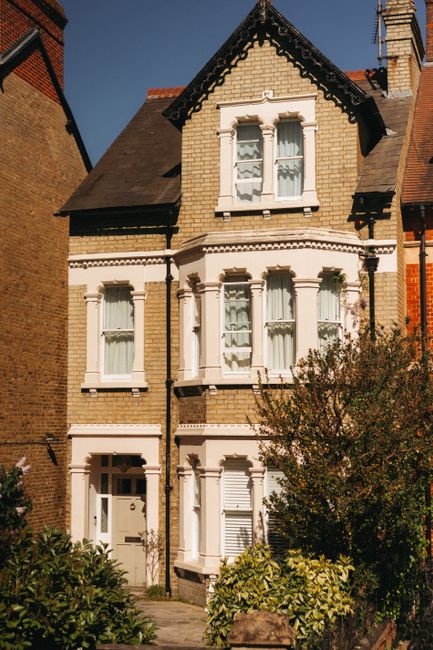
SE20 gardeners for Victorian terrace front gardens: a practical guide to getting the look right
Victorian terrace front gardens in SE20 have a particular charm. They are small enough to feel personal, but prominent enough that every line, plant and paving choice matters. If you are looking for SE20 gardeners for Victorian terrace front gardens, you are probably trying to balance kerb appeal, day-to-day upkeep, and the quirks that come with older London homes. That is exactly where a thoughtful gardener makes a difference.
In this guide, you will find a clear, real-world explanation of how front garden work is approached, what tends to suit Victorian terraces, where people go wrong, and how to make decisions without overcomplicating it. We will also cover maintenance, compliance, and a few practical options that can save you time, money, and the odd future headache.
Expert summary: A good Victorian terrace front garden should look neat in winter, feel welcoming in summer, and be simple enough to maintain without becoming a weekly chore. In SE20, that usually means proportion, drainage, tidy edges, and plant choices that can cope with real London conditions.
Table of Contents
- Why SE20 gardeners for Victorian terrace front gardens Matters
- How SE20 gardeners for Victorian terrace front gardens Works
- Key Benefits and Practical Advantages
- Who This Is For and When It Makes Sense
- Step-by-Step Guidance
- Expert Tips for Better Results
- Common Mistakes to Avoid
- Tools, Resources and Recommendations
- Law, Compliance, Standards, or Best Practice
- Options, Methods, or Comparison Table
- Case Study or Real-World Example
- Practical Checklist
- Conclusion
- Frequently Asked Questions
Why SE20 gardeners for Victorian terrace front gardens Matters
Victorian terrace front gardens are not generic little plots. They are architectural spaces. The frontage sits directly against the house, so any planting, paving or boundary treatment changes how the whole property feels from the street. In SE20, where many homes carry strong period character, a front garden that looks awkward or neglected can drag down the appearance of an otherwise handsome facade.
That matters for three reasons. First, these gardens are often the first thing you see when you walk up the path, and that first impression sticks. Second, the space is usually limited, so mistakes show quickly. A bed that is too deep, a shrub that grows too wide, or a path that holds water can become annoying very fast. Third, older terraces often have a mix of old brickwork, narrow access, uneven levels and mature boundary planting, which means the work needs a practical eye, not just enthusiasm.
To be fair, many front gardens in SE20 are already close to working well. They just need refining. A crisp lawn edge, the right pruning, some considered planting and better drainage can completely change the feel. You do not always need a full redesign. Sometimes the best result is restraint.
If your front garden is part of a wider property improvement plan, it can also make sense to review broader help such as garden maintenance or even a more structural approach through landscaping and landscape gardening. The right choice depends on whether the space needs routine care, repair, or a proper redesign.
How SE20 gardeners for Victorian terrace front gardens Works
A good front garden service usually starts with a proper look at the site rather than a rushed quote. The gardener will consider the shape of the plot, light levels, drainage, existing hard surfaces, hedge lines, and what the property wants to say visually. Sounds a bit grand, maybe, but it is true. A Victorian terrace rarely benefits from random plant selection.
The process usually falls into a few stages:
- Assessment: check the garden's layout, access, condition, and any problem areas such as weeds, compaction, waterlogging, or overgrown edges.
- Prioritisation: decide whether the work is maintenance, clearance, reshaping, or a more ambitious redesign.
- Specification: select the right tasks, such as pruning, mowing, hedge shaping, bed preparation, edging, planting, or waste removal.
- Execution: carry out the work with attention to shape, symmetry, and neat finishing lines, which matter a lot at the front of a terrace.
- Aftercare: agree what needs ongoing attention, especially during spring and summer when growth can get away from you quickly.
For many homes, the work is not one dramatic intervention. It is a sequence. A first visit might involve clearing and sorting the structure. Later visits keep things sharp. If you want to understand what that ongoing support looks like, the service information on garden maintenance is useful because front gardens usually perform best when they are treated as living spaces rather than one-off projects.
There is also a practical point about disposal. Front garden work often creates more green waste than people expect. Old turf, cuttings, hedge trimmings and cleared debris can pile up quickly. If the garden has become cluttered or forgotten, a visit that includes garden clearance can be the clean start you need before any finer work begins.
Key Benefits and Practical Advantages
The obvious benefit is a tidier frontage. But the real value goes deeper than "neater than before". A well-managed Victorian terrace front garden can improve the daily experience of living there.
- Better kerb appeal: the house looks cared for, which is especially important on a street where period features stand out.
- Lower maintenance burden: tidy borders, correctly sized plants and sensible ground cover reduce the constant little jobs.
- Improved access: paths, steps and front door approaches are easier to move through when plants are not encroaching.
- Reduced moisture and mess: better plant spacing and surface choices can help cut damp, soil splash and slippery surfaces.
- More usable space: even a narrow garden can feel bigger when it is structured well.
- Better plant health: sunlight, airflow and correct pruning all matter, especially in shaded terrace settings.
There is also a subtle social benefit. People notice the front of a house. Not in a dramatic way, just in the everyday passing glance as they go by with a dog or the school run. A clean, balanced frontage quietly lifts the whole street scene. It sounds small, but it isn't.
For properties where hedges or privacy planting are part of the design, a service like hedge trimming can make a disproportionate difference. A hedge that is trimmed with the right height and shape can frame a front garden beautifully. The wrong cut, and suddenly the whole front feels boxy or cramped.
Who This Is For and When It Makes Sense
This kind of work suits a few different situations. Some people know exactly what they want. Others just know the front garden feels tired and they want it brought back under control. Both are valid, frankly.
You may benefit from SE20 gardeners for Victorian terrace front gardens if you:
- own or rent a Victorian terrace and want the frontage to look well kept
- have an overgrown or neglected front garden that needs sorting out
- want to replace a patchy, awkward layout with something simpler
- need regular help because the garden grows faster than your free time does
- are preparing to sell, let, or simply improve the property's presentation
- want a more period-appropriate look rather than a modern, hard-edged scheme
It also makes sense when the front garden is not actually "broken", just a bit off. Perhaps the plants are fine but the arrangement is muddled. Perhaps the lawn is too fussy for the space. Perhaps the hedge is eating light from the bay window. These are the kinds of details that professional gardeners spot quickly.
And if there are small trees, conifers or large shrubs that have outgrown their spot, specialist help may be needed. In that case, tree lopping and removal may be part of the solution, though any decision around trees should be made carefully and with proper safety awareness.
Step-by-Step Guidance
If you are planning work on a Victorian terrace front garden, here is a sensible order to follow. It keeps the process calm and avoids the classic "we started planting before fixing the drainage" mistake. Yes, that happens.
1. Stand back and read the space
Look at the garden from the pavement, then from the doorway, then from inside the house. Where do your eyes stop? What feels crowded? What looks bare? A front garden should guide the eye naturally, not fight with the architecture.
2. Decide what needs preserving
Some elements are worth keeping. A good original path, mature climbers, established shrubs, old brick edging or a healthy hedge may all be useful anchors. Victorian front gardens often benefit from one or two strong features rather than lots of competing ideas.
3. Remove the obvious problems
Clear dead growth, self-seeded clutter, broken edging, invasive weeds and anything that blocks access. This stage is often more satisfying than people expect. The space starts to breathe again.
4. Fix the shape before adding detail
Get the bones right first. That means path alignment, bed edges, hedge line, and the size of planting areas. If the shapes are wrong, the design will always feel slightly off, even if the plants are lovely.
5. Choose plants that suit the light and scale
Front gardens in terraces can be surprisingly shady or exposed, depending on orientation and surrounding buildings. Use plants that stay in proportion. A small space usually needs layered texture rather than giant shrubs. A successful scheme often combines evergreen structure, seasonal colour and one or two focal plants.
6. Plan the ongoing maintenance from day one
This bit is easy to skip and then regretted later. Ask yourself: who is clipping, watering, edging, sweeping and deadheading? If the answer is "hopefully nobody too often", design accordingly.
7. Finish with a clean-up and a review
A proper final tidy matters. Sweep the path. Check the front step. Trim any uneven edges. Then step back again. If it still looks balanced in grey weather on a Tuesday morning, you are probably onto a good thing.
Expert Tips for Better Results
The best front gardens often look deceptively simple. That is because the details have been handled well. A few practical tips make a big difference.
- Keep heights in check: in a terrace setting, tall planting near the front door can make the house feel compressed.
- Use repetition sparingly: repeating one or two plants across the frontage creates calm and order.
- Respect the architecture: Victorian homes usually suit soft symmetry, classic lines and a sense of proportion.
- Choose evergreen structure: the garden should look intentional in January, not just in June.
- Leave room for access: even a lovely planting scheme is awkward if bin days, bikes and prams become a squeeze.
- Think about watering: small front beds dry out faster than people assume, especially near walls and paving.
If you are not sure where to begin, a maintenance-first approach often works best. Tidy, define, observe, then improve. That is usually better than rushing into a full makeover. Truth be told, a front garden that is well maintained often looks more expensive than one that has been heavily redesigned but not kept up.
For regular upkeep, services such as lawn mowing can help where grass is part of the frontage, while broader attention through garden maintenance keeps borders, surfaces and planting from slipping back into a scruffy state.
Common Mistakes to Avoid
Front gardens are not complicated, but there are a few classic errors that keep cropping up.
- Overplanting: too many species make a small garden look fussy and can create extra maintenance.
- Ignoring drainage: soggy paths and compacted soil are easy to miss at first, then annoying for years.
- Choosing plants only for flower colour: pretty flowers are nice, but shape, height and seasonal structure matter just as much.
- Letting hedges dominate: a hedge that is not checked regularly can swallow light and make the frontage feel closed in.
- Leaving the layout unresolved: if the path, beds and boundaries do not work together, the garden feels disjointed.
- Creating more work than the household can sustain: if nobody has time for deadheading, choose lower-maintenance planting from the start.
One slightly surprising mistake is trying to make a tiny terrace front look like a country cottage garden. Lovely in theory, but in practice it can become cluttered fast. Small spaces need discipline. A bit of restraint goes a long way.
Another issue is skipping waste removal. If pruning or clearance leaves piles of debris behind, the job feels unfinished and the space loses its lift. For bigger resets, garden clearance is often the sensible opening move.
Tools, Resources and Recommendations
You do not need a shed full of equipment to maintain a front garden well, but the right tools help. A gardener working on a Victorian terrace front garden will usually rely on a mix of cutting, cleaning and shaping tools, plus a good eye for detail. The real skill is not the tool itself; it is knowing how much to do with it.
Useful basics include:
- sharp secateurs for light pruning and deadheading
- hedge trimmers for straight, clean lines where appropriate
- spades and edging tools for sharpening borders
- rakes and brooms for clearing paths and driveways
- gloves and protective gear for thorny or awkward work
- green waste bags or a proper disposal plan for cuttings
If the project involves redesign rather than simple upkeep, the right support matters more than the kit. A service overview is useful for understanding how tasks fit together, especially when you are deciding between routine care and more structural improvements. You can also review services overview to see how different garden jobs tend to be grouped in practice.
And because people often ask about cost and timing before they commit, a transparent approach helps. A decent gardening team should be willing to explain what is included, what is optional, and what might change depending on access or waste. The page on pricing and quotes is a sensible place to start if you want to understand how estimates are usually handled.
Law, Compliance, Standards, or Best Practice
Most front garden work is straightforward, but a Victorian terrace can throw up a few compliance and safety considerations. It is best to treat these carefully rather than assuming everything is routine.
For example, if trees are involved, there may be local expectations around preservation, shared boundaries, or protected status. You would normally want to check before removing or heavily altering anything substantial. That is not red tape for the sake of it; it is about avoiding disputes and damage.
There is also a practical duty to work safely. That means using appropriate equipment, managing trip hazards, handling waste properly, and being careful near walls, steps and railings. Front gardens often sit close to public pathways, so tidy working methods matter. Good practice also includes clear communication about what will happen on the day and how waste is removed afterwards.
Where soil, debris or cuttings are being taken away, environmentally aware disposal is a plus. If sustainability matters to you, it is reasonable to ask how waste is handled and whether materials are reused or recycled where possible. A responsible provider should be comfortable discussing that. You can also look at recycling and sustainability to understand the kind of approach that supports greener garden work.
In short: if the front garden work is simple maintenance, the compliance burden is light. If it involves trees, structural changes, new hard surfaces, access issues or shared boundaries, it is worth slowing down and checking properly. Better safe than awkward later.
Options, Methods, or Comparison Table
Not every Victorian terrace front garden needs the same kind of input. Here is a simple comparison to help you think it through.
| Approach | Best for | Typical strengths | Watch-outs |
|---|---|---|---|
| Routine maintenance | Gardens that are already decent but need regular care | Keeps the frontage neat, manageable and low stress | Won't solve layout problems or major overgrowth |
| Clearance and reset | Neglected or cluttered front gardens | Creates a clean starting point and makes later design easier | Can feel bare for a while if not followed by planting |
| Soft landscaping | Gardens that need planting, beds or surface improvements | Improves appearance and structure without full construction | Needs sensible plant selection and aftercare |
| Full landscaping | Front gardens needing layout changes, new paths or a fresh plan | Best for long-term transformation and solving deeper issues | More involved, usually more planning, and can take longer |
In many SE20 terraces, the best outcome is a hybrid. A bit of clearance, some maintenance, then carefully chosen landscaping work. That way the garden improves in a staged, realistic way rather than being ripped up all at once. Not glamorous, maybe, but it works.
If hard surfaces or timber features are part of the plan, decking services may be relevant for rear or side spaces, though for front gardens the priority is often neatness, access and proportion rather than large entertainment areas. Still, it is worth knowing what is available if the frontage is being treated as part of a wider outdoor refresh.
Case Study or Real-World Example
Imagine a classic SE20 Victorian terrace with a narrow front plot, a small lawn, overgrown shrubs by the bay window and a path that disappears under weeds every few weeks. Nothing dramatic. Just a garden that has drifted from tidy into tired.
The first job would probably be a tidy reset: cut back the shrubs, clear dead growth, remove weeds, edge the lawn and expose the actual shape of the garden again. Once the bones are visible, the owner can see what is worth keeping. Maybe the path is sound and only needs cleaning. Maybe the hedge still gives privacy but needs careful shaping. Maybe the lawn is too small to justify the effort and would be better replaced with planted borders and gravel or paving.
After that, a more restrained planting scheme would make sense. A couple of evergreen anchors, some seasonal colour, and enough open space to stop the frontage feeling crowded. Not a jungle. Not a showroom. Just calm and well edited.
What usually surprises people is how much better the house looks once the front is simplified. The brickwork comes forward. The entrance feels clearer. Even the windows seem brighter because the garden is no longer competing with them. It's one of those improvements you notice every single day as you come home with shopping bags and a slightly tired face, which is most of us, really.
Practical Checklist
Use this before you book work or plan changes to a Victorian terrace front garden.
- Does the garden need maintenance, clearance, or a full redesign?
- Are there any overgrown shrubs, hedges, or small trees that need attention?
- Is the path easy to walk on, or does it feel cramped and uneven?
- Do the plants suit the size of the space, or are they already outgrowing it?
- Is drainage an issue after heavy rain?
- Will the garden still look good in winter, not just in peak summer?
- Can you realistically keep up with the upkeep after the work is done?
- Are there any shared boundaries, access issues or safety concerns to mention upfront?
- Do you want the space to feel more traditional, more minimal, or simply more manageable?
- Have you thought about waste removal and what happens to the cuttings?
If you can answer those questions with a bit of clarity, the next step becomes much easier. And if not, that is fine too. Most good garden projects start with a half-formed idea and a few awkward corners.
Conclusion
SE20 gardeners for Victorian terrace front gardens are about more than a tidy patch of green. Done well, this kind of work restores balance to the front of the home, makes the approach more welcoming, and keeps the property easier to live with year-round. The best results usually come from respecting the architecture, keeping the layout simple, and choosing maintenance levels that fit real life rather than an idealised version of it.
If your front garden feels neglected, crowded, or just a little out of step with the house, start with the basics: clear the clutter, sharpen the structure, and choose practical planting. Then build from there. You do not need to do everything at once. A thoughtful, staged approach often wins.
For a more tailored approach to front garden care, you can explore about us to understand the team behind the service, or move straight to the next step when you are ready.
Get a free quote today and see how much you can save.
And if you are still deciding, that is alright. A good front garden is rarely rushed, and the best ones feel like they have always belonged there.
Frequently Asked Questions
What do SE20 gardeners for Victorian terrace front gardens usually include?
It depends on the condition of the garden, but common tasks include pruning, hedge trimming, mowing, edging, clearing weeds, improving borders, and shaping the front space so it suits the house.
Is a Victorian terrace front garden better with lawn or hard landscaping?
That depends on how much upkeep you want. Lawns can look lovely, but they need more care. Hard landscaping or mixed planting often works better if you want something cleaner and easier to manage.
How often should a front garden be maintained?
For many SE20 terraces, light maintenance every few weeks in the growing season keeps things under control. In quieter months, less frequent visits may be enough. The exact rhythm depends on planting and exposure.
Can a small front garden still look elegant?
Absolutely. Small spaces often look best when they are simplified. Strong edges, a limited plant palette and good proportions can make a narrow front garden feel calm rather than cramped.
What if my front garden has become overgrown?
A clearance visit is usually the best place to begin. Once the clutter is removed, you can see what needs saving, pruning or replacing. Trying to redesign an overgrown space without clearing it first is usually a bit optimistic.
Do Victorian terrace front gardens need period-style planting?
Not strictly, but period-appropriate planting often suits the house better. Soft structure, evergreen shape and classic-looking species tend to feel more natural against Victorian brickwork and facades.
What are the biggest mistakes people make with terrace front gardens?
The most common problems are overplanting, ignoring drainage, letting hedges become too dominant, and choosing plants that grow too large for the space. Small front gardens need discipline, not excess.
How do I know whether I need landscaping or simple maintenance?
If the layout is basically fine and just needs tidying, maintenance is usually enough. If the path, beds, boundaries or levels need changing, landscaping is the better option.
Will my front garden need waste removal after the work?
Often, yes. Even modest pruning or clearing creates more waste than people expect. It is sensible to ask how cuttings, soil and debris will be removed or recycled.
Can front garden work affect privacy or light?
Yes, especially if hedges or shrubs are too tall or too close to windows. A good gardener will balance privacy with daylight so the frontage feels open but not exposed.
Are there any compliance issues with tree work in a front garden?
There can be. Trees may be subject to local protections, shared boundary considerations, or general safety expectations. If a tree looks substantial, it is wise to check carefully before any major cutback or removal.
How do I keep the garden looking good after the initial work?
Set a simple maintenance plan early. Regular edging, pruning, sweeping and seasonal checks are usually enough to prevent the garden sliding back into chaos. It does not have to be difficult.